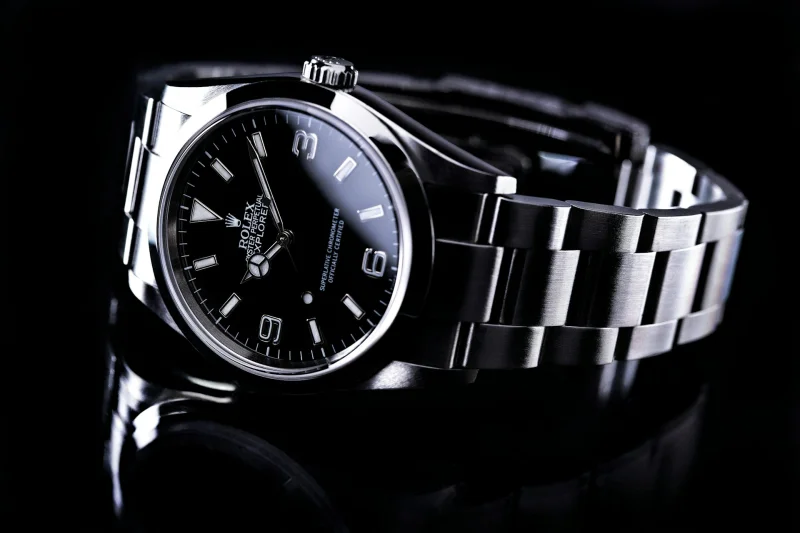
Not every expensive watch is a collectible. Understanding the difference can protect your investment — and deepen your passion.
Collecting watches is an art in itself. Unlike acquiring a luxury handbag or a piece of jewellery, a collectible watch requires an understanding of movement architecture, historical context, production numbers, and the invisible chemistry between a collector and a specific reference.
Scarcity Is Not Enough
Many assume that rarity alone makes a watch collectible. In reality, rarity without desirability is meaningless. A watch becomes collectible when scarcity meets demand — and demand is shaped by heritage, innovation, celebrity provenance, and the story a watch tells about the era it was born in.
The Movement Is the Soul
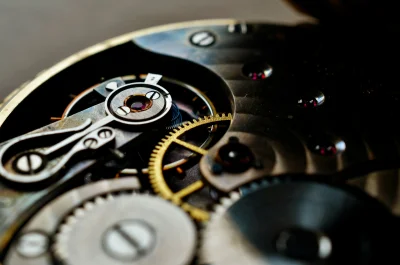
A manually wound movement with a visible balance wheel — especially one decorated with Geneva stripes or perlage — speaks to the horological tradition in a way no quartz movement can. Collectors pay a premium for hand-finished movements, and rightly so. They represent hundreds of hours of artisan labour.
Condition and Originality
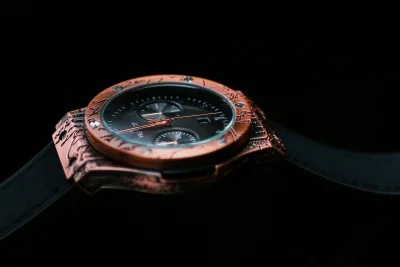
A watch in original, unpolished condition will always command a premium over one that has been over-serviced or refinished. Original dials, hands, and cases preserve the patina of history. The moment a watchmaker removes that patina with a polishing cloth, decades of value can be erased in seconds.
What to Look For
When assessing collectibility, our experts consider: original case shape and proportions, dial printing integrity, movement condition and originality, box and papers, and documented service history. Together, these elements tell you whether you are looking at a future trophy or simply an expensive watch.